
Guides
3 details of podcast audience growth people miss
Three podcast growth details most hosts miss: feed ownership, Apple and Spotify payout mechanics, and how the first sixty seconds decide retention.
What to take away
- Own your RSS feed and your email list. Both are podcast audience growth assets a host keeps for good, and holding them means a platform change costs you no subscribers. Libsyn, Buzzsprout, Transistor and Podbean hand the feed to you. Mailchimp, Kit and Beehiiv take the email list.
- Apple Podcasts, Spotify and YouTube report and pay on different clocks, so read each statement line by line before you spend against it.
- The first sixty seconds decide whether a new listener stays; most shows spend them on a theme song.
- Write down your break-even episode count, the point where a show covers its own production cost.
- Label every audience projection as an estimate, and cite the platform's published terms rather than a remembered figure.
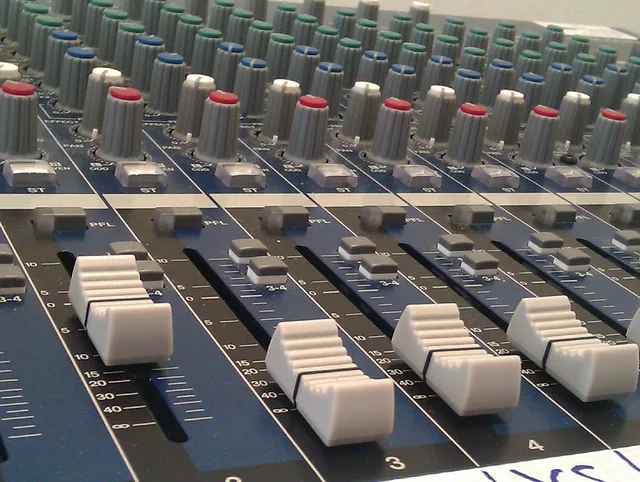
!image A host records an episode. The microphone is the cheap part; the feed, the tape and the payout terms are where shows are won or lost.
Three details separate shows that grow from shows that stall. None is a growth hack. Each is plumbing a host can check this week: who owns the feed, how the money arrives, and what happens in the opening minute.
Detail one: the feed is the asset, not the platform
Your show lives in an RSS feed, a file you or your host controls. Apple Podcasts, Spotify and YouTube read that file. They do not own it. A host who treats the feed as a platform feature loses the audience the day the platform changes its terms.
Podcast hosting plans compared
Libsyn
- Entry price
- $5/mo
- Free tier limit
- None
- Feed control
- You
Transistor
- Entry price
- $19/mo
- Free tier limit
- None
- Feed control
- You
Buzzsprout
- Entry price
- Free tier
- Free tier limit
- 90 days
- Feed control
- You
Podbean
- Entry price
- Free tier
- Free tier limit
- 5 hours
- Feed control
- You
Check where your feed is hosted and who holds the login. If a production company built the show, the feed may sit in their account. Ask for a transfer before the relationship ends, not after.
Hosting is cheap and mostly interchangeable. Libsyn has sold entry plans near $5 a month, Transistor starts around $19 a month, and Buzzsprout's free tier keeps episodes online for 90 days before you pay. Podbean's free tier caps storage at 5 hours.
The same logic applies to email. A subscriber list is portable; a follower count on one app is not. Export the list monthly and keep it somewhere you control. Mailchimp, Kit and Beehiiv all import a CSV, and their free tiers cover the first few hundred to a few thousand subscribers.
This is the first thing how to grow a loyal podcast audience covers, and it is the detail most new hosts skip.
Detail two: payouts arrive on different clocks
Apple, Spotify and YouTube each report and pay on their own schedule, and the three do not match. A host who budgets against one number will be short in the month the others land.
Platform payout mechanics
Apple Podcasts
- Payout model
- Subscription cut
- Fee or split
- 30% then 15%
- Statement check
- Reporting lag
Spotify
- Payout model
- No per-play rate
- Fee or split
- Audience Network
- Statement check
- Currency conversion
YouTube
- Payout model
- 55% ad revenue
- Fee or split
- 45% to platform
- Statement check
- 1,000 subs, 4,000 hours
Read each statement line by line. Look for the reporting period, the currency, any platform fee, and the payout threshold below which money rolls forward. Those four lines explain most surprises.
The models differ as well. Spotify pays no per-play rate for podcasts, so host money arrives through the Spotify Audience Network or a subscription platform. Apple Podcasts Subscriptions keeps 30% in year one and 15% after. YouTube's Partner Program pays creators 55% of ad revenue on long-form video.
Payouts arrive on different clocks
What the statement shows
- Apple Podcasts Connect
- Follower and playback reporting tied to your feed
- Spotify for Podcasters
- Streams, starts and ad revenue split by territory
- YouTube Studio
- Watch time and ad revenue on video episodes
- Your host, such as Libsyn, Buzzsprout or Podbean
- Download counts and any dynamic ad insertion
What to check before you spend
- Apple Podcasts Connect
- Reporting lag between a play and a payout, and the 30% then 15% subscription cut
- Spotify for Podcasters
- Currency conversion and the payout threshold
- YouTube Studio
- The 1,000-subscriber and 4,000-watch-hour Partner Program threshold, and whether ad revenue is shared with you at all
- Your host, such as Libsyn, Buzzsprout or Podbean
- Which downloads are filtered as bots
Do not treat a download count as a listener. A download can come from an app refreshing a feed. The IAB Podcast Measurement Guidelines, version 2.2, define a valid download after bot filtering and de-duplication. Apple, Spotify and most hosts follow that standard, so use it rather than a marketing claim.
Detail three: the first sixty seconds decide retention
Most new listeners decide in the first minute whether to keep the episode. A show that opens with a thirty-second theme song and a long introduction spends its best minute on nothing.
Fix the first sixty seconds
- Cut the thirty-second theme song
- Drop the long introduction
- State the episode promise first
- Say what the listener will know
- Then earn the promise
Put the promise of the episode in the first sentence. Say what the listener will know by the end. Then earn it.
Both dashboards show the drop. Apple Podcasts Connect charts a per-episode retention curve once a show has enough listeners, and Spotify for Podcasters reports audience retention and average consumption per episode.
This is where editing pays for itself. A producer who cuts the false starts, the "um" and the repeated setup turns a ninety-minute recording into a forty-minute episode a commuter can finish. Descript, Adobe Podcast and Auphonic handle part of that work, and Audacity or GarageBand at home costs nothing.
Track retention by episode, not by show average. One episode that holds listeners to the end tells you more than a monthly total.
The workflow stages behind those three details
Guest booking, recording, sponsor fulfillment and billing each carry a decision an owner-operator makes.
Booking: confirm the guest's time zone, the recording platform and who owns the raw tape. Riverside and Zencastr record each side locally, which survives a dropped connection. Get permission in writing before you publish a voice.
Recording: keep a backup track. A file that fails to save is a reshoot, not an edit problem.
Sponsor fulfillment: the contract usually names the placement, the read length and the publish date. Deliver the read as written, then send the proof of publish the contract asks for. Megaphone, Acast and ART19 insert ads dynamically, so a read may run on episodes recorded months earlier.
Billing: invoice on the schedule the contract states, and keep the payment terms where you can see them. A sponsor who pays in sixty days is not the same as one who pays in thirty.
Reading the rules that govern claims and reviews
Sponsor reads are endorsements. The FTC Endorsements, Influencers, and Reviews guide explains that a material connection between host and sponsor needs clear disclosure, and that the host stays responsible for truthful claims.
If you ask listeners for reviews, the FTC guide on soliciting and paying for online reviews says to ask genuine users rather than people likely to say yes, and that incentives must not create a misleading picture.
General advertising claims fall under the FTC Advertising FAQs for small business: claims must be truthful and supported.
Your listener data needs its own handling. The NIST Small Business Quick-Start Guides give a practical starting point for protecting that data and setting access rules.
The money side of an independent show
Production cost per episode is the number to know. Add studio time, editing hours, hosting fees and any music license, then divide by episodes published. That figure, not the download count, tells you what the show costs to keep alive.
Independent show cost ranges
- $5-$20Monthly hosting
- $50-$150Freelance editor per episode
- $75-$200Studio room per hour
- $10-$30Production music per month
Typical ranges as of 2026: hosting runs $5 to $20 a month, and a freelance podcast editor charges $50 to $150 per episode. A studio room runs roughly $75 to $200 an hour in Los Angeles, New York or Chicago, and less in smaller markets such as Seattle.
A home setup costs the price of the gear instead. A production music subscription such as Epidemic Sound or Artlist runs about $10 to $30 a month, and commercial use usually needs the higher tier. Get two quotes before you book.
Break-even is the episode count where sponsorship and any direct support cover that cost. Write the number down. A show that has not reached it is a hobby with a microphone; that is fine, as long as the owner knows.
For the tax side, name the authority rather than guessing. In the United States, self-employed podcast income is reported to the IRS, and a CPA can tell you which forms apply to your situation. State revenue authorities set their own rules. Sponsors that pay $600 or more to an unincorporated host generally file Form 1099-NEC.
Two failure cases worth studying
A sponsor contract that pays on publication of a specific episode can bite if the episode is delayed. Read the clause that names the publish date before you sign.
A platform fee that appears only in the payout statement can turn a profitable month into a flat one. Reconcile the statement against your own download log before you set next quarter's budget.
Common questions
Does buying ads grow a podcast audience?
Paid promotion can bring listeners, but it rarely keeps them. A host who buys a spot should track whether those listeners return for a second episode. If they do not, the spend bought a number, not an audience.
How many episodes before a show finds its audience?
There is no universal count, and any figure you read is an estimate. The useful measure is your own retention curve: are listeners who arrive at episode ten still there at episode twenty? That trend tells you more than a target number.
What should a new host do first?
Claim the feed, export the email list, and read one payout statement line by line. Those three steps cost nothing and prevent the two most common losses: a feed you do not control and a budget built on a number you misread.
Do I need a lawyer or an accountant for a small show?
For contract, defamation or right-of-publicity questions, a media attorney sets the answer for your jurisdiction. For tax and entity questions, a CPA does. This article names the authorities; it does not replace them.