











Guides
What ASCAP and BMI licensing costs US podcasters for theme music
Theme music for a US podcast needs ASCAP or BMI clearance plus a recording license. Here is what each blanket license route costs and how to budget it.

Podcast editing costs Canada vs US: a hypothetical rate comparison shows how currency conversion, taxes, payment fees and turnaround can change a quoted total.
The podcast benchmarks worth tracking in 2027 are retention, completion, CPM, and cost per episode, each read against your own back catalog.
Podcast ad money is shifting to video feeds, dynamic ad insertion and platform payouts, and 2027 pricing will follow where listeners actually watch.
Podcast sponsor marketplaces connect shows with advertisers, and the right starting point depends on your audience size, niche, and how much control you want.
Canadian podcast editing contract clauses differ from US ones on jurisdiction, language and tax. Here is what a small Canadian show can and cannot fix alone.
DIY podcast editing vs hiring an editor comes down to hours, rates and risk. US editor rates run $50 to $250 per episode or $25 to $150 an hour.
How to hire a podcast editor in Canada: ask for raw samples, set a revision cap, and require a written agreement with GST/HST and ownership terms.
How long does podcast editing take? US editors track a ratio of edit hours to finished minutes, and the ratio is the number that decides your release schedule.
A podcast business tracks cash flow week to week by dating every dollar to the week it moves and comparing that weekly ledger against the plan.
Three podcast editing mistakes cost US creators money, and prevention takes a loudness target, a written revision clause, and a backup file.
Podcast editing rates per episode in the US run about $75 to $600, and most creators land near $150 to $300. Here is what each tier includes.
Podcast editing turnaround standards for US publishers: typical first cuts land in 24-72 hours, full mix in 3-4 business days, and SLAs need bounded revision rounds.
Podcast editor contract clauses decide who owns the audio, who pays if a sponsor walks, and which state's law applies. Review these before signing.
Podcast editor rates Canada run $60 to $150 per episode for basic edits, premium above $200. Ontario HST adds 13 percent, BC GST 5 percent, plus mixing fees.
What does a podcast editor do: the job step by step from raw tracks to a publish-ready file, plus the scope, file and contract failures that cost a season.
Theme music for a US podcast needs ASCAP or BMI clearance plus a recording license. Here is what each blanket license route costs and how to budget it.
Atlanta and Nashville differ on studio rates, editing talent, sponsor buyers and creator networks, and the choice turns on your show's format.
Chicago's public-radio editing habits, from logged tape syncs to timing sheets, transfer to independent shows that cannot afford a full production staff.
True-crime podcast episode editing means clearing defamation, consent, court-recording and copyright rules before an episode ships.
FTC disclosure for US host-read podcast ads: what counts as a material connection, where the spoken disclosure goes, who is responsible, and wording that works.
Podcast community engagement is measured with named numbers: completion rate, returning listeners, replies per episode, and Discord activity.
Podcast creator business owners report 1099-NEC and 1099-K income on Schedule C, deduct editing, hosting and home studio costs, and pay quarterly estimated tax.
Three real podcast quote shapes, the fields and approval wording each one needs, and the exact phrasing that stops a client arguing about the invoice later.
A podcast creator business can form an LLC in California, Texas, or Florida. Compare filing steps, registered-agent duties, and recurring obligations.
Three state-level tax and disclosure differences a podcast creator business hits when selling sponsorship across the US and Canada, and how to check each.
Los Angeles and New York podcast studio rates run two to four times Austin and Atlanta rates, driven by union talent, network overhead and rent.
Seventeen podcast content ideas that keep earning downloads months after release, with the format, the cost, the episode length and the reason each one lasts.
Keep the podcast production habits that protect the tape and the sponsor read, and drop the gear and process steps that never earn their cost back.
Spotify, Apple Podcasts, YouTube and Patreon each take a different cut of a show's subscription and ad money, and the fee shapes the payout.
Start with the specific roles your show must pay for, then match each production cost to a funding source you can actually qualify for this year.
Where a podcast business should start in 2027, ranked by ad rates, production cost, and the local clients who pay for editing and studio time.
Podcast audience analytics: learn what Spotify, Apple and YouTube count, which metrics to track monthly, and where host exports and third-party tools fit.
A podcast KPI routine tracks downloads, retention, revenue per episode, sponsor pipeline and cash weeks. Here is what to read monthly and what to fix.
Read a podcast sponsor contract clause by clause, from exclusivity and ad usage rights to disclosure, metrics, payment terms and cancellation, before you sign.
A podcast break-even model turns downloads, CPM rates and production hours into one number: the episodes and sponsors needed to cover monthly costs.
Podcast content formats are the repeatable shapes an episode takes, and each format sets its own production cost, release cadence and rights burden.
A list of 25 podcasts, mostly US, with what each show sells, what to copy, audience bands, a sample episode cost, and platform payout terms for creators.
Podcast creation tools for recording and editing, with named gear and software, a monthly-cost formula, and notes on music rights and sponsor disclosures.
Twelve podcast platforms, judged on how they pay, how they report, and what a show gives up to be listed, tested against what creators actually experience.
Buy podcast software in order, editing first, hosting second, sales third, and test each fee against the paid hours it removes before you subscribe.
Loyal podcast audiences come from repeat listening, not follower counts, so growth starts with the shows and platforms your listeners already use.
Price podcast editing, production and sponsorship work by the hour each task eats, not the invoice it lands on, so every service keeps its margin.
Podcast sponsorship deals: a spoken FTC disclosure, clauses that cap usage, exclusivity and revisions, and the cost floor to set before you price a read.
Podcast analytics that answer a decision: which count each dashboard reports, how to read hours per episode, what to check on platform statements.
Three podcast growth details most hosts miss: feed ownership, Apple and Spotify payout mechanics, and how the first sixty seconds decide retention.
A podcast business plan maps the production chain, platform economics and sponsor terms that decide whether an independent show earns or drains money.
Podcast content planning for show roles, an ordered production workflow, music rights, FTC disclosures, platform payout math and break-even formulas.
Build a podcast content calendar with eight columns, a fixed weekday, a four to six week horizon, named owners, a costed weekly example and common questions.
Expanding a podcast means adding named roles, cleared rights, and paid capacity without breaking the release schedule that earns the audience.
What podcast editing software and hosting actually bill, how sponsor and programmatic rates are priced, and the cash gap between recording and payout.
Choosing a podcast platform starts with how listeners find you and how each host pays out, so the first pick fits the show you actually make.
Podcast platform setup runs from a hosting account to a directory listing, and every step, from RSS feed validation to cover art, has a cost and a rule attached.
Podcast pricing and profit hinge on three things most guides skip: who owns the master feed, how you sell downloads, and what a sponsor actually buys.
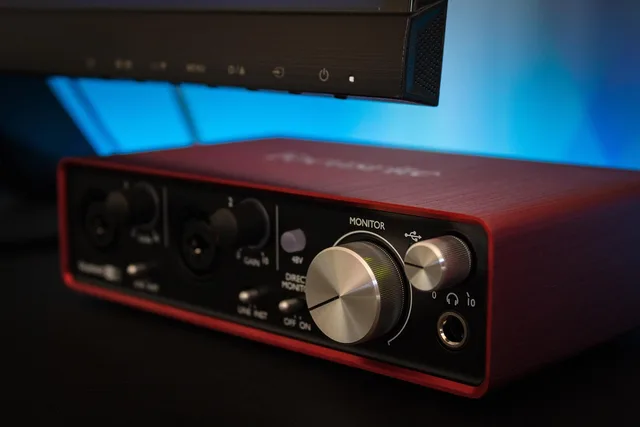
A working podcast setup is a chain of named choices: microphone, interface, editing suite, hosting, and the steps that turn raw tape into a published episode.
Podcast production tools split into four jobs: capture, editing software, hosting, and measurement. Buy for the job you have, not the feature list.
A podcast production workflow is a set of decisions about who does what, when it is done, what equipment is used, and what it costs before the episode ships.
Podcast revenue metrics only help if you define each one, set a realistic target, and know the hidden trap in download numbers that makes it lie to you.
Sponsor deals, music licensing and payout splits decide whether an independent show clears a profit. This guide works through each decision in order.
Check a podcast startup against break-even before episode one: hours per episode, monthly production cost, CPM revenue and the gap between the two.
Starting a podcast business means settling gear, editing tools, guest releases and a host before episode one, with gear budgeted once and hosting monthly.
Guides
Theme music for a US podcast needs ASCAP or BMI clearance plus a recording license. Here is what each blanket license route costs and how to budget it.
Guides
Atlanta and Nashville differ on studio rates, editing talent, sponsor buyers and creator networks, and the choice turns on your show's format.
Guides
Chicago's public-radio editing habits, from logged tape syncs to timing sheets, transfer to independent shows that cannot afford a full production staff.
Guides
True-crime podcast episode editing means clearing defamation, consent, court-recording and copyright rules before an episode ships.
Guides
FTC disclosure for US host-read podcast ads: what counts as a material connection, where the spoken disclosure goes, who is responsible, and wording that works.
Guides
Podcast creator business owners report 1099-NEC and 1099-K income on Schedule C, deduct editing, hosting and home studio costs, and pay quarterly estimated tax.
Guides
Podcast editing costs Canada vs US: a hypothetical rate comparison shows how currency conversion, taxes, payment fees and turnaround can change a quoted total.
Guides
The podcast benchmarks worth tracking in 2027 are retention, completion, CPM, and cost per episode, each read against your own back catalog.
Guides
Podcast ad money is shifting to video feeds, dynamic ad insertion and platform payouts, and 2027 pricing will follow where listeners actually watch.
Guides
Podcast sponsor marketplaces connect shows with advertisers, and the right starting point depends on your audience size, niche, and how much control you want.