Guides
Funding a new podcast business: costs first, then the options
Start with the specific roles your show must pay for, then match each production cost to a funding source you can actually qualify for this year.
What to take away
- A solo podcast business with a $400 microphone and free editing software can launch under $1,000. A weekly interview show with an editor and a sound engineer runs past $10,000 a year.
- The four funding routes are self-funding from other income, SBA-backed bank loans, sponsor prepayments, and crowdfunding. Each has a different qualification test.
- Hosting, editing, and music licensing are recurring costs. Microphone, interface, and headphones are one-time.
- Spotify, Apple Podcasts, and YouTube each publish their own payout terms. Read the current version before you project income.
- Keep production spend and sponsorship income in separate accounts from week one. Commingled books slow every loan and tax conversation.
This article covers podcast business economics in general. It is not tax, legal, or advertising-compliance advice for your situation.
Name the IRS, a CPA, or your state revenue authority when a decision turns on your own facts.
The roles you pay for
A podcast business is a set of roles before it is a set of costs. On a solo show, one person is host, producer, editor, and sound engineer.
On a weekly interview show, those jobs split. A freelance editor charges per episode or per finished hour. A booking producer works on a retainer. A sound engineer bills a session rate.
The split is where the money goes. Budget the roles you will fill in year one, not the org chart you want by year three.
Cost lines, with real numbers
One-time gear for a two-person interview setup runs roughly $600 to $1,600. That buys two dynamic microphones at $100 to $400 each, an audio interface at $150 to $500, headphones at $100 to $300, and stands and cables under $100.
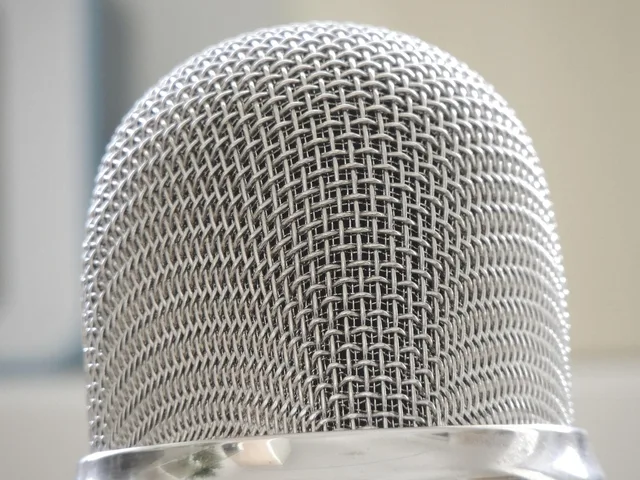
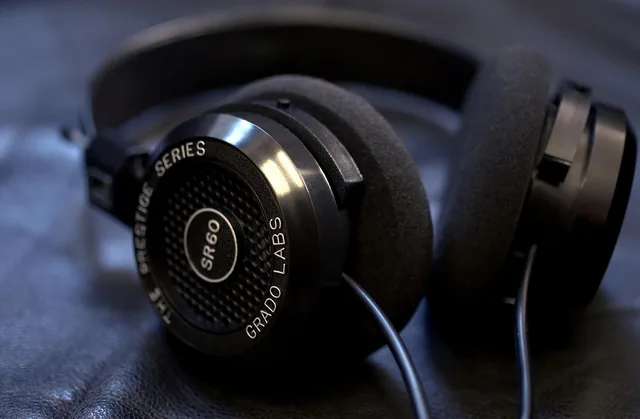
The Shure SM58 and Rode PodMic cost about $100 each, and the Shure SM7B runs about $400. Common interfaces include the Focusrite Scarlett 2i2 and the Zoom PodTrak P4, both near $200. Sony MDR-7506 headphones run about $100.
Recurring costs decide whether the show survives. Podcast hosting runs $15 to $50 a month at Libsyn, Buzzsprout, or Transistor, scaling with downloads.
Editing software is free at Audacity. Reaper's personal license is a one-time $60, and Adobe Audition runs $20 to $25 a month. A royalty-free music subscription is $15 to $50 a month.
If you hire an editor at $50 to $150 per episode and publish weekly, that line alone is $2,600 to $7,800 a year. Add a sound engineer at $75 to $200 per session and the annual figure crosses $10,000.
These are published ranges, not quotes. Get your own numbers before committing.
Funding options, by name
Self-funding. This is the most common route. Most independent shows launch from other income and reach break-even before they seek outside money. The test is simple: can you cover 12 months of recurring costs from cash you already have? In the worked example below, that is about $5,160.
SBA-backed loans. The U.S. Small Business Administration: SBA Business Guide covers loan programs, lender match, and what a lender will ask for. Two programs fit small media businesses: 7(a) loans up to $5 million, and Microloans up to $50,000 through nonprofit lenders.
A podcast business rarely qualifies on projected ad revenue alone. It qualifies on existing contracts, an existing audience, or a second revenue line.
Sponsor prepayments. Some sponsors pay quarterly in advance. That is working capital, not profit. Book it against the episodes it covers.
Crowdfunding. Patreon, Ko-fi, and Kickstarter fund ongoing support or a single project. Patreon's Pro plan takes 8% of pledges and Premium takes 12%, plus payment processing near 2.9% plus 35 cents per pledge.
Kickstarter takes 5% plus processing near 3% plus 20 cents. Ko-fi's free plan charges no platform fee on donations, and Gold runs about $6 a month. Check the current rates on Patreon's own pricing page.
Grants. State arts councils and local small-business development centers occasionally fund media projects. Eligibility varies by state. SBA-funded Small Business Development Centers and SCORE offer free help with applications. Check your state arts council's current guidelines.
What the paperwork looks like
Before you spend, write the assumptions into a podcast business plan that lists costs beside revenue.
The Internal Revenue Service: Starting a business page covers structure, tax IDs, and record-keeping from day one.
Once sponsors arrive, the U.S. Federal Trade Commission: Endorsements, Influencers, and Reviews guidance applies. A material connection between an endorser and a marketer needs clear disclosure. Both sides stay responsible for truthful claims.
Music licensing is separate. ASCAP and BMI license public performance. A podcast that uses commercial music needs a license or a royalty-free alternative.
A worked example
A two-host weekly show launches with $1,200 in gear, $30 a month hosting, and a $75-per-episode editor. Monthly recurring cost: $330. Annual: roughly $5,160.
The hosts self-fund year one. By month eight, one sponsor pays $500 per episode for a mid-roll. At 52 episodes that is $26,000 gross, before the platform's cut and before the editor's invoice.
The break-even point is the episode count where sponsor revenue covers the editor, hosting, and music. That arithmetic belongs in a podcast profit margins and break-even model, not in your head.
The podcast startup and market guide covers the market context for that model.
Common questions
What does it cost to start a podcast business?
A solo show with free editing software and a $400 microphone can launch under $1,000. A weekly interview show with a paid editor and sound engineer runs $5,000 to $15,000 in year one, mostly recurring costs.
What funding options exist for a new podcast?
Self-funding, SBA-backed loans, sponsor prepayments, crowdfunding through Patreon or Kickstarter, and occasional state arts council grants. Each has its own qualification test, and most shows start with self-funding.
Do I need a business entity before I launch?
Not legally in most states, but a separate bank account from week one keeps production spend and sponsor income clean. Ask a CPA whether an LLC or sole proprietorship fits your situation and your state's rules.