Guides
Podcast production quality: what to keep and what to drop
Keep the podcast production habits that protect the tape and the sponsor read, and drop the gear and process steps that never earn their cost back.
What to take away
- Keep a treated recording space and a dynamic mic on a boom arm. Those two choices decide most of your podcast production quality.
- Keep a two-track backup recorder and a second SD card; drop any single point of failure in the capture chain.
- Keep the loudness target your host platform publishes and check it on every export; drop the habit of mixing by ear at midnight.
- Keep a rights review before the guest books, not after the episode publishes.
- Drop the plugin stack that costs more per month than the show earns per episode.
The keep list
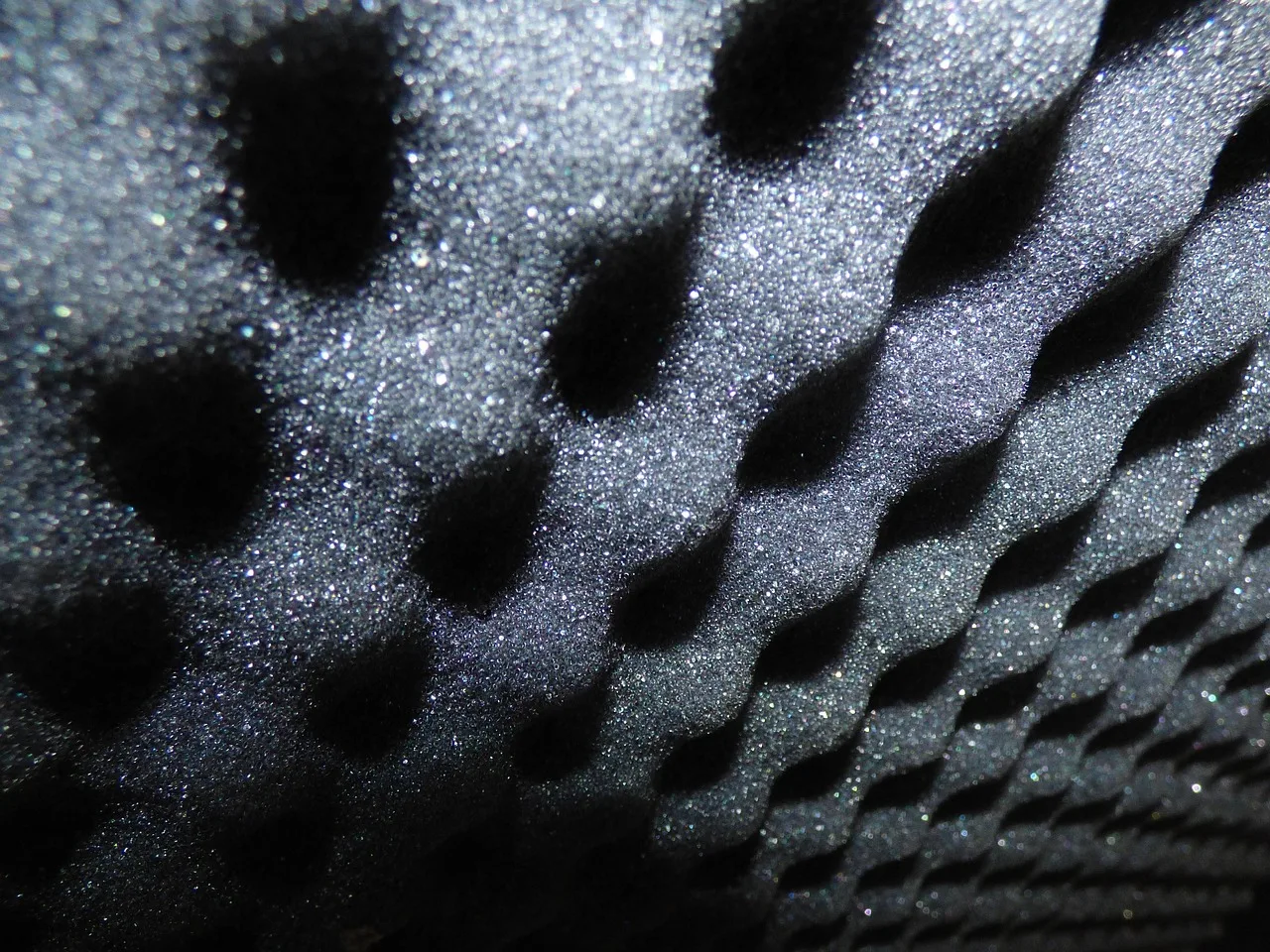
A treated room beats a better microphone every time. Blankets, a rug, and a bookshelf break up the reflections that make a host sound like they are calling from a stairwell. Moving blankets typically run $25 to $40 each, and a 12-pack of 1-inch acoustic foam panels costs about $25 to $60.
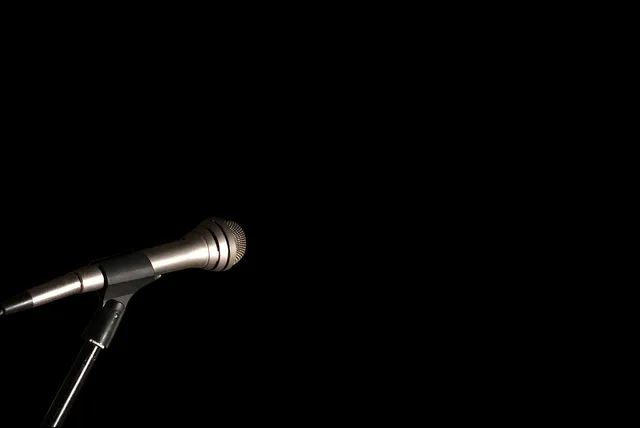
A dynamic microphone on a boom arm, positioned off-axis, keeps mouth noise and plosives out of the take. The Shure SM7B, typically about $399, and the Electro-Voice RE20, about $499, are the workhorses in this class.
Both are cardioid dynamics built for close speech, and both cost less than one studio day in Los Angeles or New York. Cheaper picks include the Rode PodMic at about $99 and the Samson Q2U at about $69.
A boom arm keeps the mic off the desk, so keyboard thumps and desk bumps stay out of the take. The Rode PSA1+ runs about $99, and basic desktop arms start near $25.
A two-track recorder running as a backup, plus a second SD card in the bag, is the cheapest insurance in podcasting. Cards fail mid-interview. Recorders do not care.
The Zoom H1n costs about $119, the Tascam DR-40X about $199, and the Zoom H6 about $349. A 32GB SanDisk Extreme Pro card runs about $15.
A loudness target. Spotify, Apple Podcasts, and YouTube each publish their own playback and normalization behavior in their creator documentation. Apple's audio requirements have pointed to about -16 LUFS integrated for stereo, and Spotify and YouTube normalize closer to -14 LUFS. Read the current figure there, set it once in your editor, and check it on every export.
A free meter such as Youlean Loudness Meter shows the number before you publish. Auphonic, a web service with paid tiers starting around $11 a month, applies a platform target automatically.
A rights review before the guest books. Music beds, archival tape, and third-party clips each carry their own clearance path. Subscription libraries such as Epidemic Sound, Artlist, and Musicbed license beds for podcast use, typically $10 to $50 a month depending on tier and whether the show carries ads.
The drop list
Drop the condenser microphone in an untreated room. It hears the HVAC, the chair, and the dog. A large-diaphragm condenser such as the Audio-Technica AT2020, about $99, is a fine studio mic and a poor first purchase for a carpeted spare bedroom.
Drop the plugin chain you bought because a YouTube tutorial said so. Compression, de-essing, and a high-pass filter cover most spoken-word repair.
Most DAWs ship those tools. Reaper costs $60 for a personal license and includes a compressor, a gate, and an EQ with a high-pass filter.
iZotope RX Elements, about $129 one time, handles noise, hum, and mouth clicks. Everything past that is taste, and taste is not a line item.
Drop the habit of publishing the same week you record. A day between the take and the edit catches the guest who said something they will regret, and the host who misstated a sponsor's claim.
Drop the assumption that a streaming subscription covers every music use. The U.S. Copyright Office study on copyright and the music marketplace lays out how public performance and other uses run through separate rights and licensing paths.
A DJ who pays for a consumer streaming tier has not licensed the recording for a podcast. ASCAP and BMI license performance rights, and the master belongs to the label or the artist. Ask a media attorney before you publish a show with a commercial track in it.
Drop the unsafe studio habit. The Occupational Safety and Health Administration safety management guidance describes finding and fixing hazards before an injury or an inspection does it for you. Cable runs across a walking path and a hot amp in a closet count.
Drop the undisclosed sponsor read. The Federal Trade Commission guidance on endorsements, influencers, and reviews requires a clear disclosure of the material connection, and both the advertiser and the endorser answer for a claim that misleads.
Where the keep list pays for itself
The keep list is a cost decision. A treated room and a dynamic mic cost less than one day in a commercial studio. A studio day in Los Angeles or New York typically runs $500 to $1,500. Blankets, panels, and an SM7B land well under that, and a backup recorder costs less than a reshoot.
The drop list is the same arithmetic in reverse. A plugin subscription at $30 a month is $360 a year against a show that may bill a few hundred dollars an episode.
Run your own numbers: monthly tool spend divided by episodes published gives cost per episode. Compare that against your sponsor CPM times downloads per episode.
If the tool spend line is larger, the tool is the problem.
That is also the test for the podcast production setup you already own. If a piece of it never appears in a published episode, it is inventory sitting on a shelf.
A keep-or-drop review you can run monthly
Keep-or-drop review
- Pull the last four episodes and note which tools touched each one.
- List every recurring subscription with its monthly cost, from Auphonic credits to the music library tier.
- Mark each tool keep, drop, or trial, and set a review date for the trials.
- Check one episode's loudness against the platform's published figure.
- Confirm every sponsor read carried its disclosure.
- Confirm every music bed and clip has a clearance note on file.
The podcast production tools and quality guide covers the wider stack. This review is the part you run against your own bill.
Common questions
What is the single highest-value upgrade for a small show?
Room treatment. Blankets and a rug typically cost less than a Shure SM7B, and they improve every take, including the ones you record on a phone as a backup. Buy blankets and a rug before you buy a preamp.
Do I need a separate recorder if my interface already captures audio?
Yes, if the interview cannot be repeated. A two-track recorder with its own SD card runs independently of the computer, the interface, and the software. Cards fail, laptops sleep, and guests only sit down once.
Can I use a commercial song in my podcast if I pay for a streaming subscription?
No. A consumer streaming tier is a listening license. Performance rights and master rights run through separate paths, and you need both. Talk to a media attorney about your specific use.
How often should I review my tool spend?
Monthly, against episodes published. Cost per episode is the number that tells you whether a tool is earning its place. Anything that has not touched a published episode in two months is a drop candidate.