Guides
Podcast creation tools for recording and editing
Podcast creation tools for recording and editing, with named gear and software, a monthly-cost formula, and notes on music rights and sponsor disclosures.
What to take away
- A microphone, an interface and an editing suite are three separate purchases, and the cheapest one to get wrong is the microphone.
- Remote interview platforms (Riverside, SquadCast, Zoom) record locally on each guest's machine, which is why they beat a call recorded over the internet.
- Descript and Adobe Audition solve different problemsDescript cuts by transcript, Audition cuts by waveform.
- Music in a podcast needs a license for the recording and a license for the composition, and a streaming subscription covers neither.
- A sponsor read must disclose the material connection, per the FTC, and the disclosure has to fit the medium.
This overview of podcast production covers podcast creation tools for recording and editing. It is not advertising, copyright, tax or legal advice. Music rights, endorsement rules and platform terms depend on your content, sponsors and country, so check the current guidance and use a qualified professional.
The three purchases people confuse
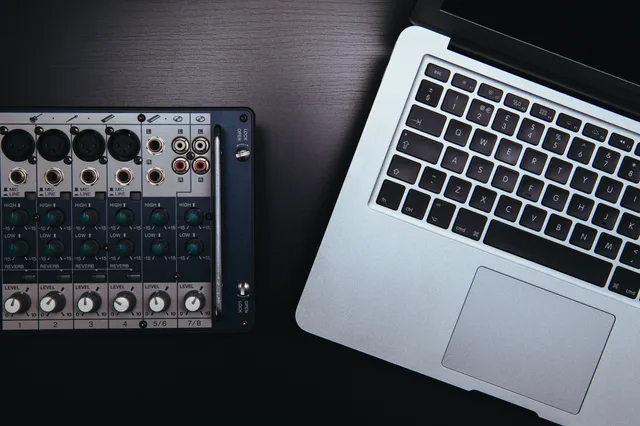
A podcast rig is a microphone, an interface and an editor. Each does a different job, and buying one well does not fix the others.
The microphone decides how the show sounds before any editing. A Shure SM7B or an Electro-Voice RE20 is a broadcast dynamic mic that ignores most room noise. A Rode NT1 or a Neumann TLM 103 is a condenser that captures more detail and more of your room.
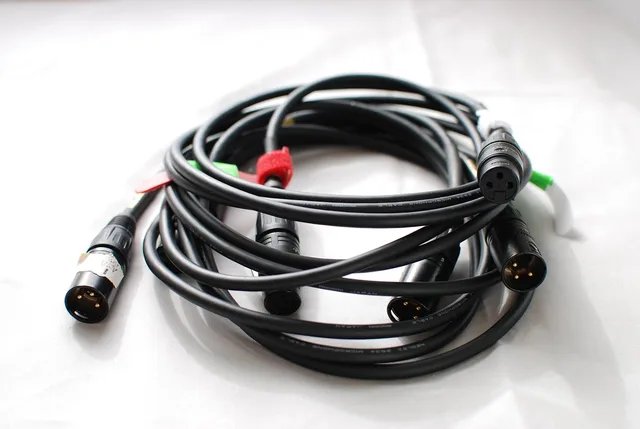
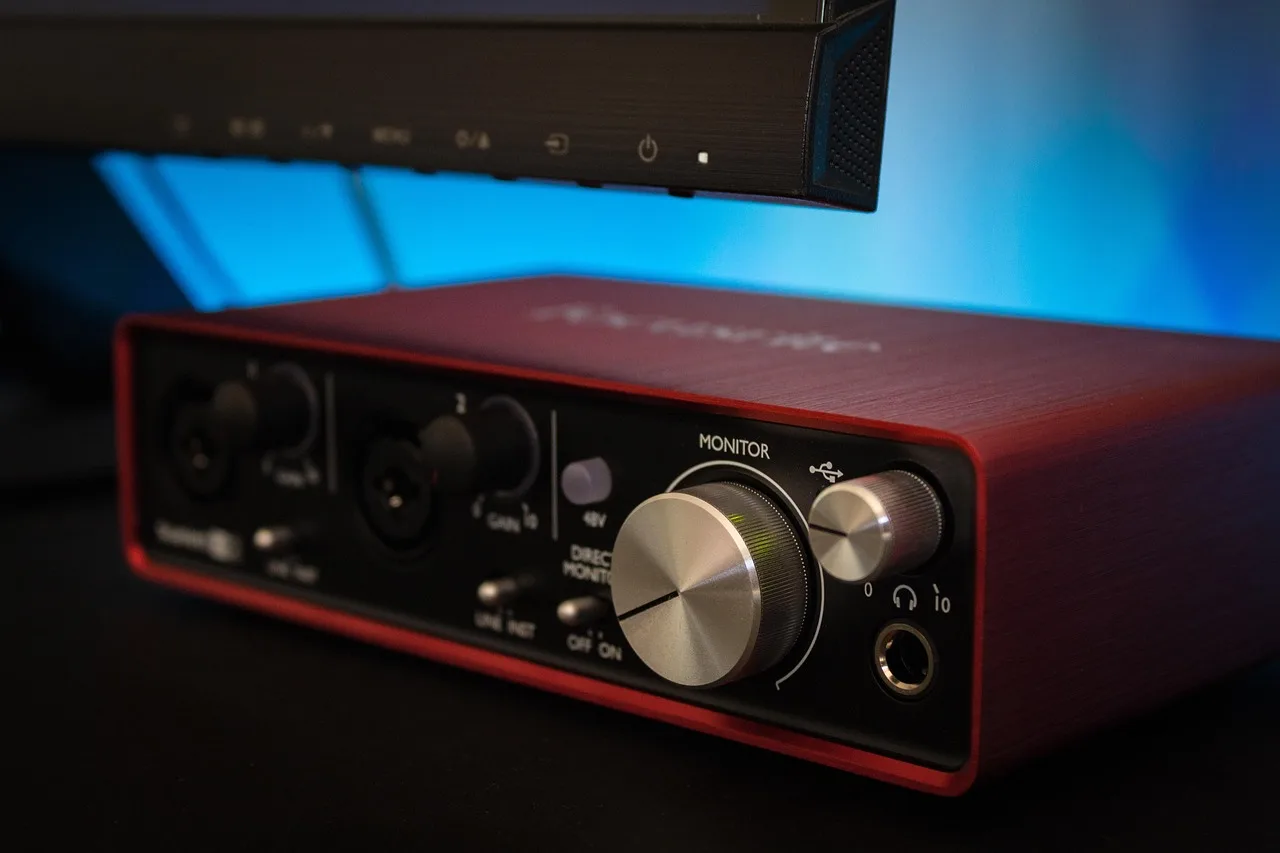
The interface converts the mic to USB. Focusrite Scarlett and Universal Audio Volt are the two names most home studios land on. Zoom and Tascam make recorders that skip the computer entirely.
The editor is where the episode actually gets made, and that is the next decision.
Recording, then cutting
Riverside and SquadCast record each speaker locally and upload the file afterward. That is the whole reason they exist: a call recorded over the internet drops audio when your connection does.
Zoom works for a guest who will not install anything. The audio is worse, and you should say so before you book them.
Descript edits by transcript. Delete a sentence in the text and the audio goes with it. That is fast for interviews and useless for music.
Adobe Audition, Avid Pro Tools and Reaper cut by waveform. Pro Tools is the studio standard and priced like it. Reaper costs far less and does the same job for most shows.
iZotope RX is repair, not editing. It removes a fridge hum or a chair creak that would otherwise force a retake.
What the rights actually require
Music in a podcast needs two permissions, not one: the composition and the recording. The U.S. Copyright Office study of the music marketplace explains that public performance and other uses run through different rights and different licensing paths. A streaming subscription covers listening, not publishing.
If you play a guest's clip, you need their permission in writing. If a sponsor pays for a read, the FTC guidance on endorsements, influencers and reviews requires a clear disclosure of the material connection. The disclosure has to suit the medium, which for audio means saying it out loud.
Studio work has its own hazards: long sessions, cables across a floor, hours in headphones. OSHA's safety management guidance describes finding and fixing hazards before an inspection or an injury does it for you.
A formula for estimating monthly costs
Say your show publishes four episodes a month. Let H be your hourly rate, E the hours per episode, and F the fixed monthly costs (hosting, software, music license).
Line / Variable
- Production
- H x E x 4 · Your own time, priced honestly
- Fixed
- F · Hosting, Descript or Audition, music
- Per episode
- (H x E x 4 + F) / 4 · The floor for any sponsor rate
If a host-read ad pays less than that per-episode figure, the episode loses money before anyone hears it. Substitute your own numbers; the arithmetic is the point, not the values.
Common questions
Do I need a condenser microphone?
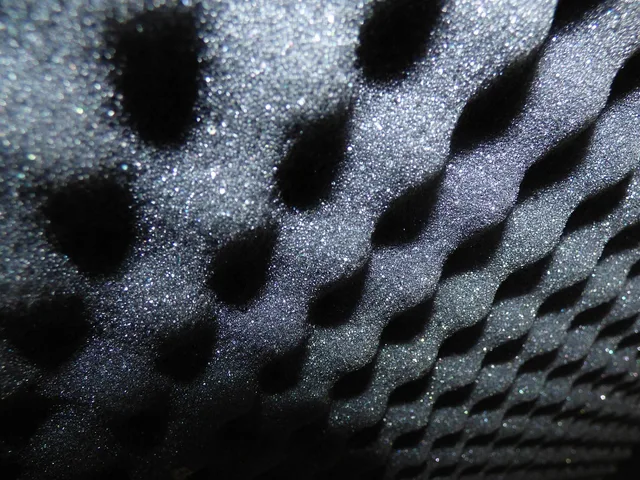
No. A dynamic mic like the SM7B or RE20 rejects room noise and is the safer choice in an untreated room. A condenser rewards a treated room and punishes a bad one.
Is Descript enough on its own?
For interview shows, often yes. It cuts by transcript, which is faster than waveform editing. For music, sound design or heavy repair, you will still want Audition, Pro Tools or Reaper.
Can I use any song I like?
Only with the right licenses for both the composition and the recording. Check the Copyright Office material above and confirm the terms with the rights holder or a music licensing service.
Does a sponsor read need a disclosure?
Yes. The FTC requires a clear disclosure of the material connection, and for audio that means saying it in the episode. Keep the wording plain and put it where the listener hears it.